Max Nowack
Book a call

Work

Products I have built or helped build. Two SaaS companies I co-founded, products of my own that I built end to end, and an open-source project that came out of the offline work at VineForecast. The list shows how I work when the brief is mine and when it is someone else’s.

VineForecast

Co-founder, technical lead

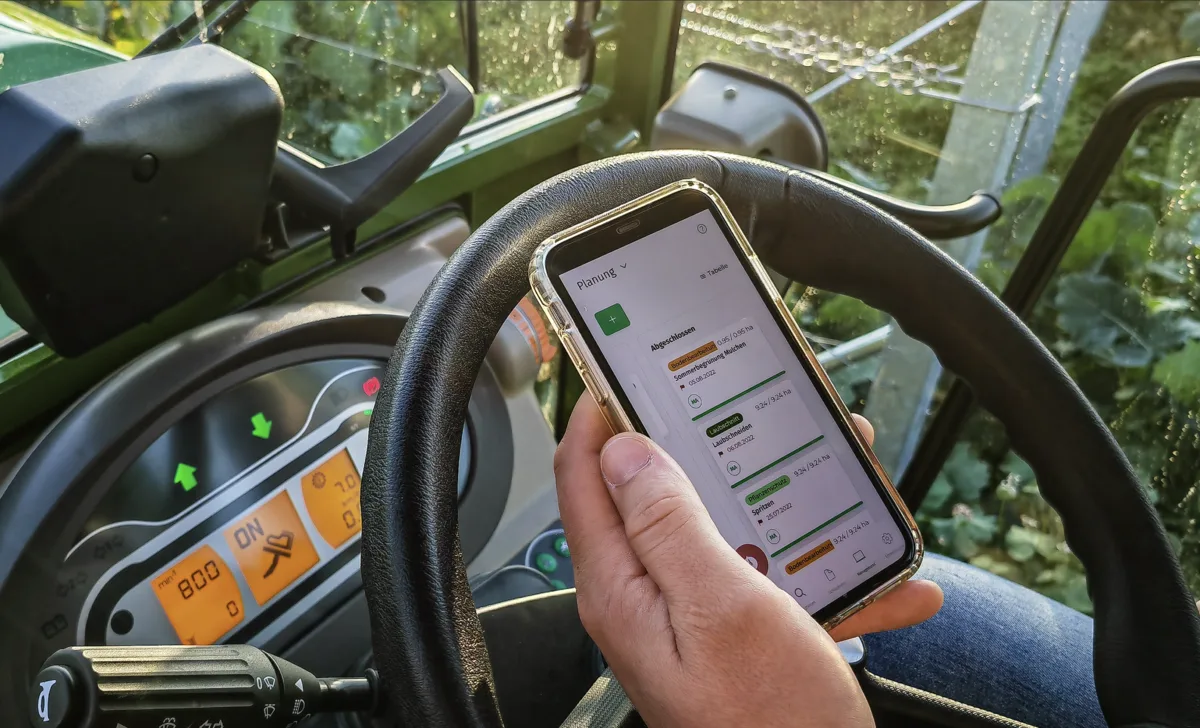
VineForecast is used by winegrowers through the whole season, in the office and in the field, to plan work and make decisions about vine health. A demanding domain that had to stay simple to use on a phone between the rows.

I was responsible for architecture, infrastructure and most of the implementation in a small team, and for a good part of the product and interface decisions. Offline support was added on top of the existing backend without rebuilding it, and the mobile apps for iOS and Android share one codebase with the web app.

VineForecast in use in a vineyard

PatchPilot

Built end to end

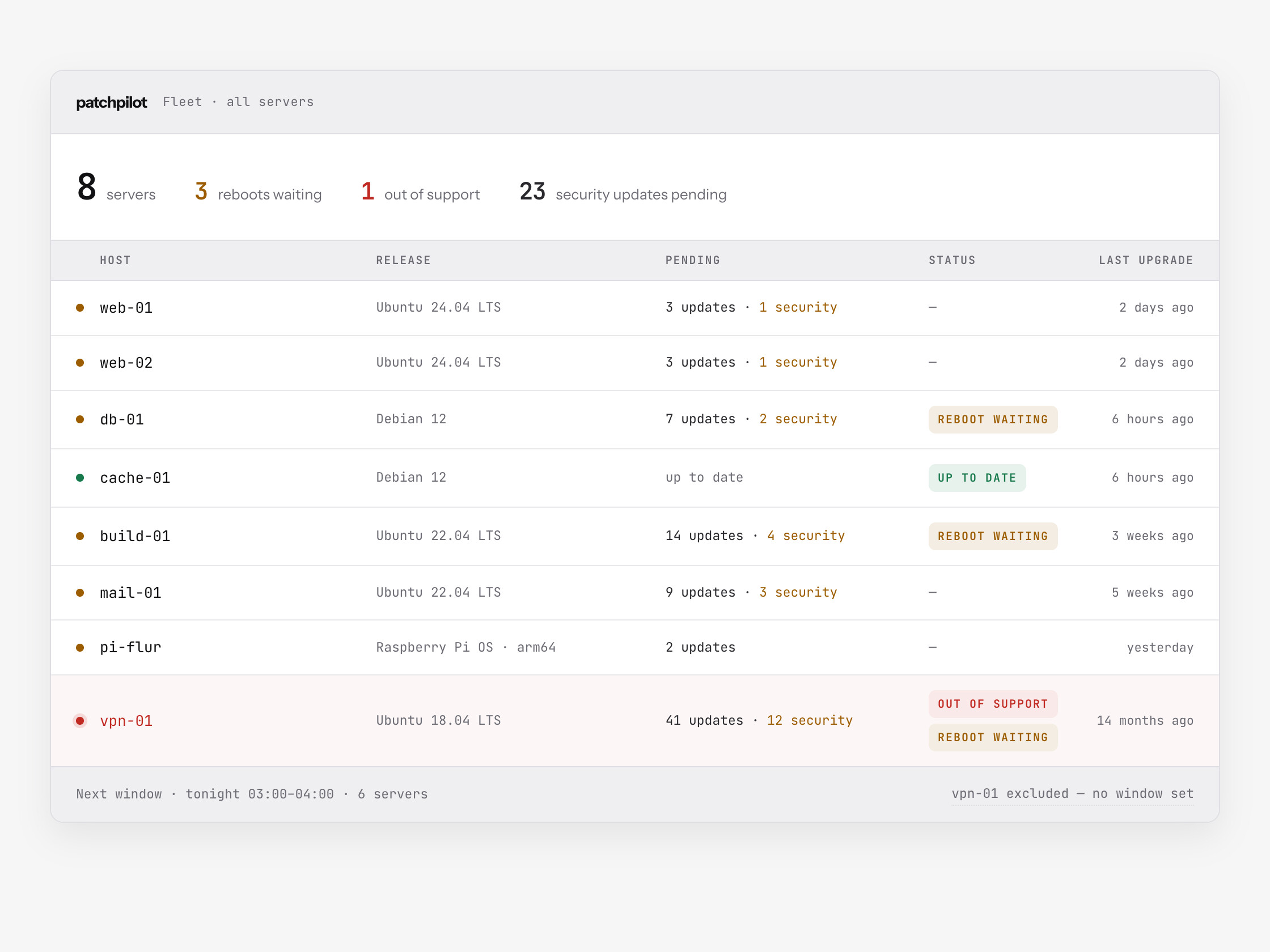
PatchPilot puts a whole fleet of Debian and Ubuntu servers in one table. For each machine it shows what is installed, which updates are waiting and which of them close a security hole, whether a reboot is pending and when the server was last upgraded. Updates go in during a maintenance window you choose, and it never reboots a machine on its own.

The part automatic updaters cannot do is noticing that the release itself has run out of support. PatchPilot knows when each release stops getting fixes and tells you months ahead, while the upgrade is still something you can plan. Adding a server takes one command, and the agent that runs on it is open source.

The PatchPilot dashboard with eight servers in one table

MakeStatic

Built end to end

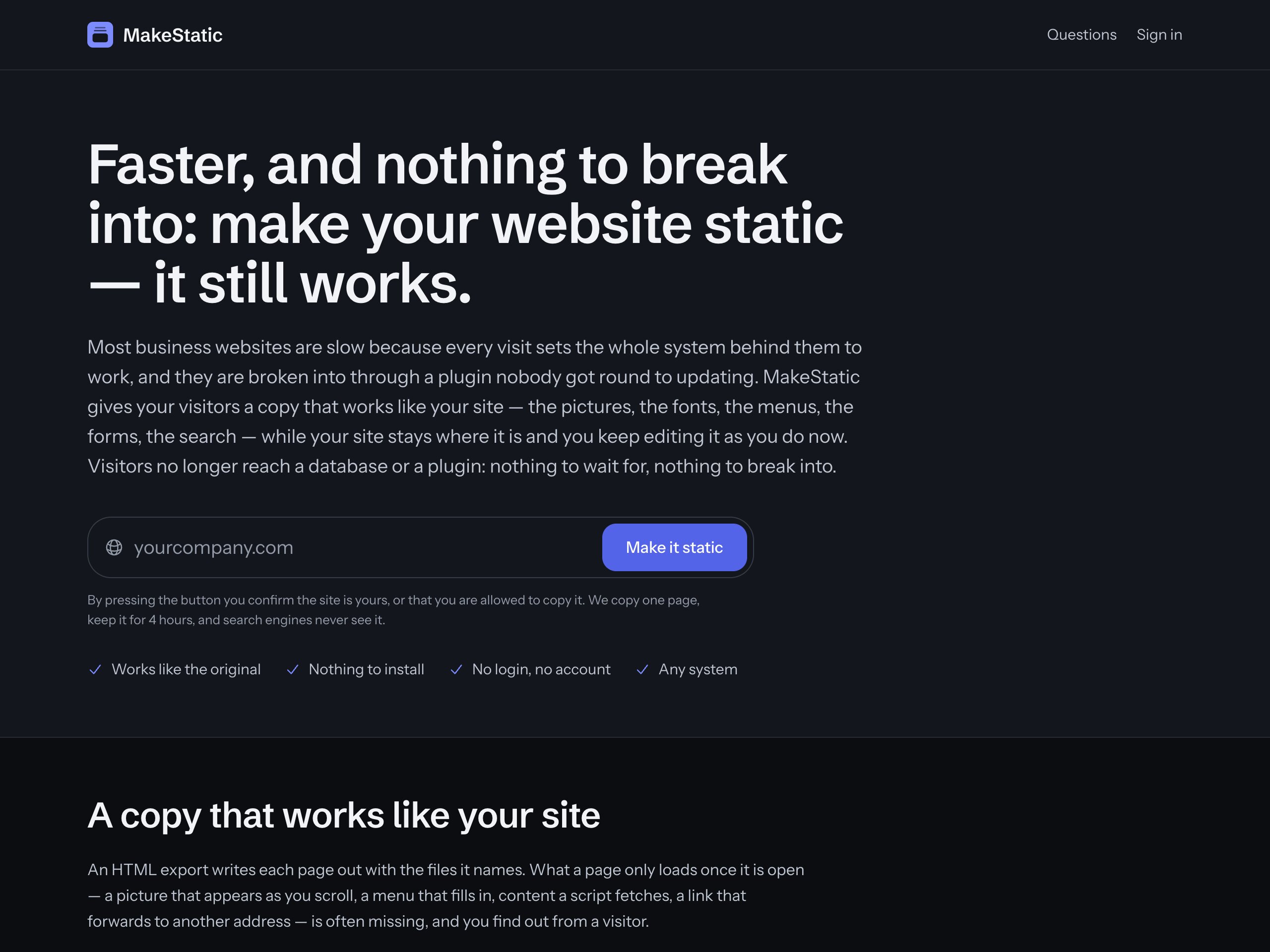
MakeStatic turns a running website into a static copy that works like the original. You enter the address, and the public gets a copy with no database and no plugins behind it, while the site stays where it is and remains the place you edit. MakeStatic is for the business websites that are slow on every visit and broken into through a plugin nobody got round to updating.

MakeStatic does not care what the site was built with. The copy looks and behaves like the original, its search still answers and its contact forms still arrive, and for every other form you decide what happens.

The MakeStatic landing page

SignalDB

Author and maintainer

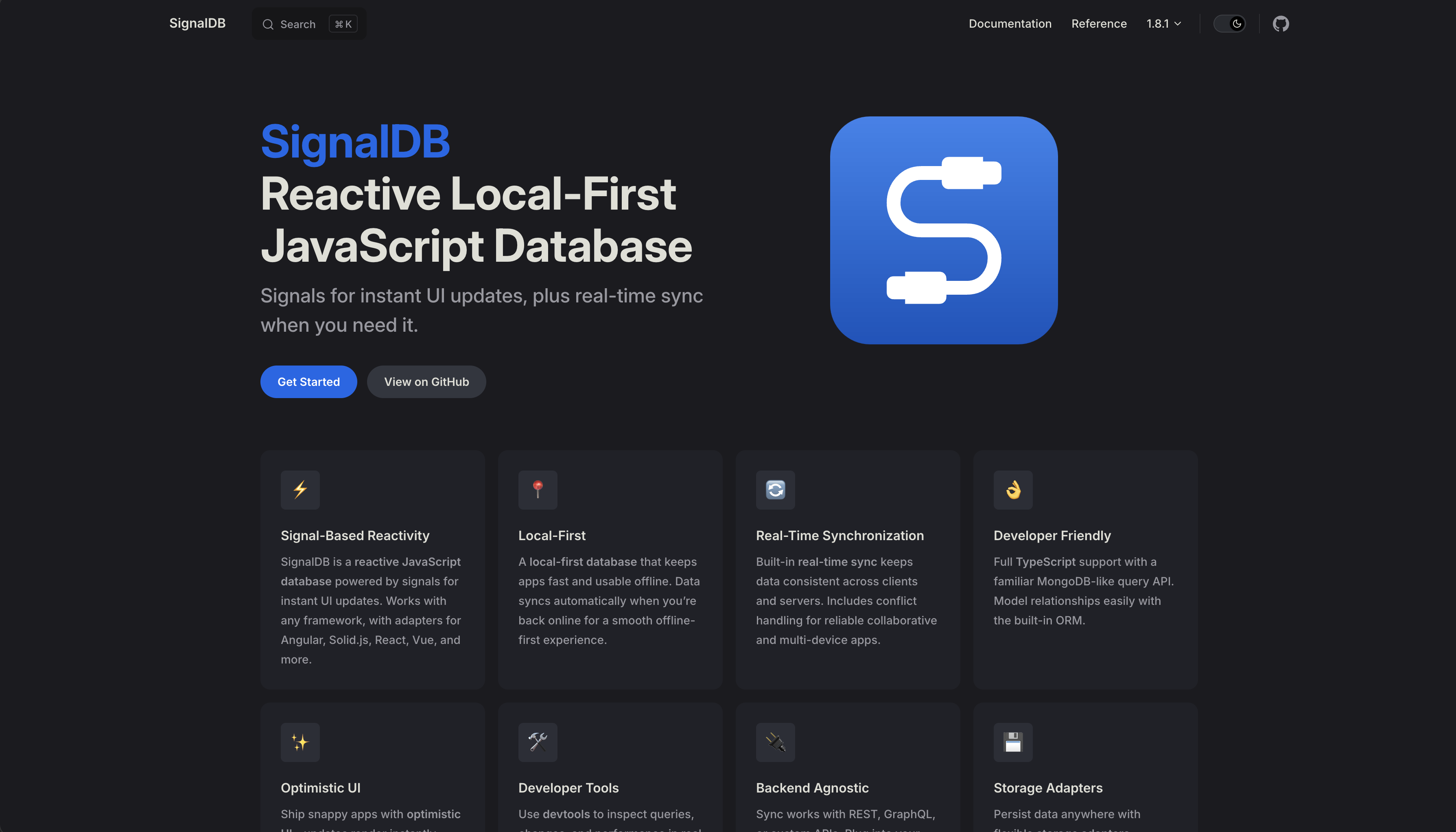
SignalDB grew out of the offline work at VineForecast. I wanted a lean, offline-capable layer for working with data in the UI, with a simpler developer experience than the existing options and enough flexibility for different persistence and sync strategies.

SignalDB is open source, documented, and used by other teams who had the same problem.

The SignalDB documentation

Babyfino

Built end to end

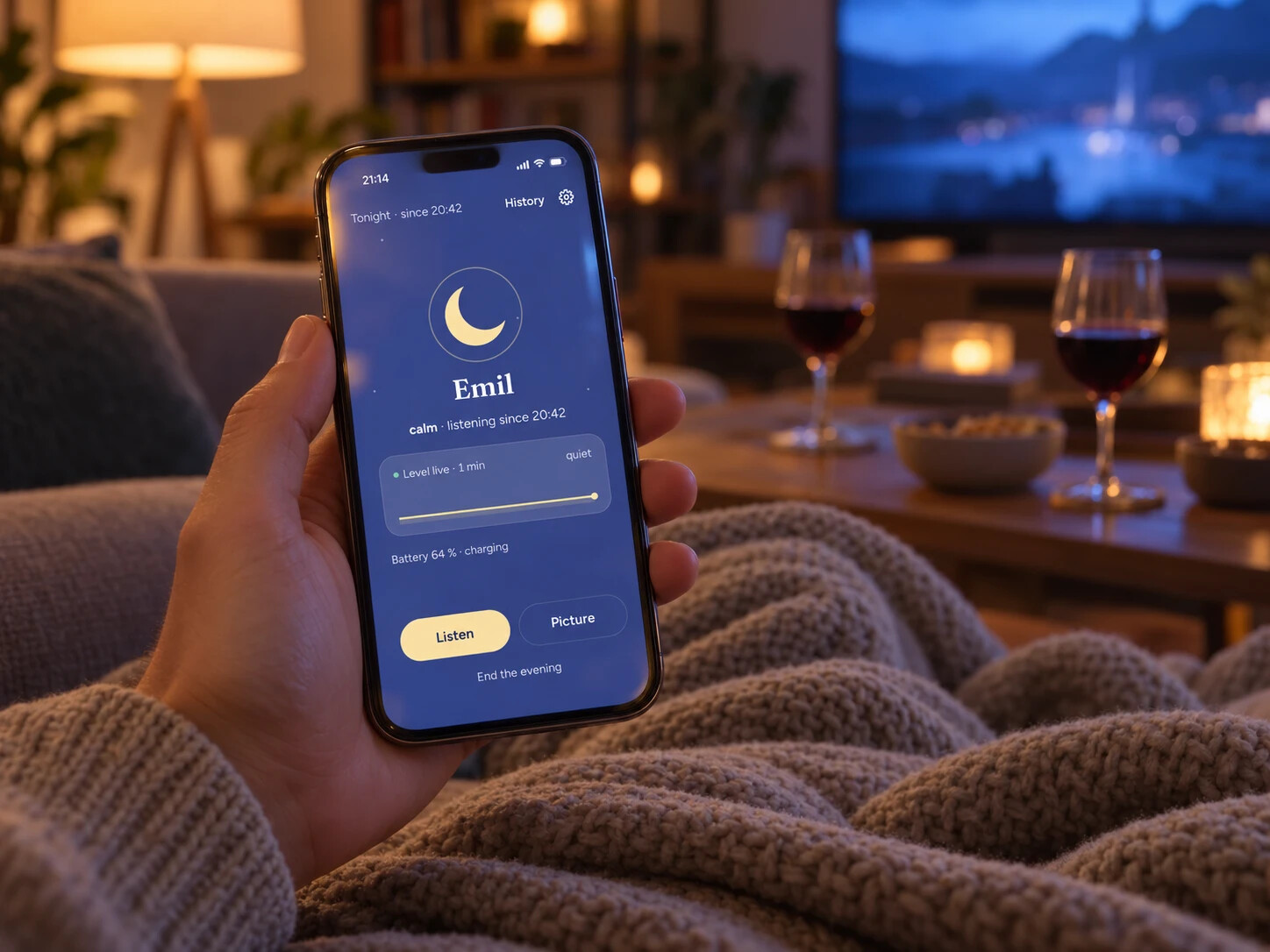
One phone stays in the nursery, yours goes with you. Babyfino tells you when your child wakes up, and just as clearly when the connection drops, so the monitor never fails silently. The app also notices when the parent putting a child to bed has fallen asleep next to them, and quietly lets the partner know.

Babyfino is built for whole families, with siblings in two rooms, iPhone and Android mixed, or a babysitter for one evening. Sound and video are end-to-end encrypted with keys the devices sign themselves, nothing is stored on a server, and pairing is a QR code with no account behind it.

Babyfino open on a phone on the sofa in the evening

TeamGrid

Co-founder, technical lead

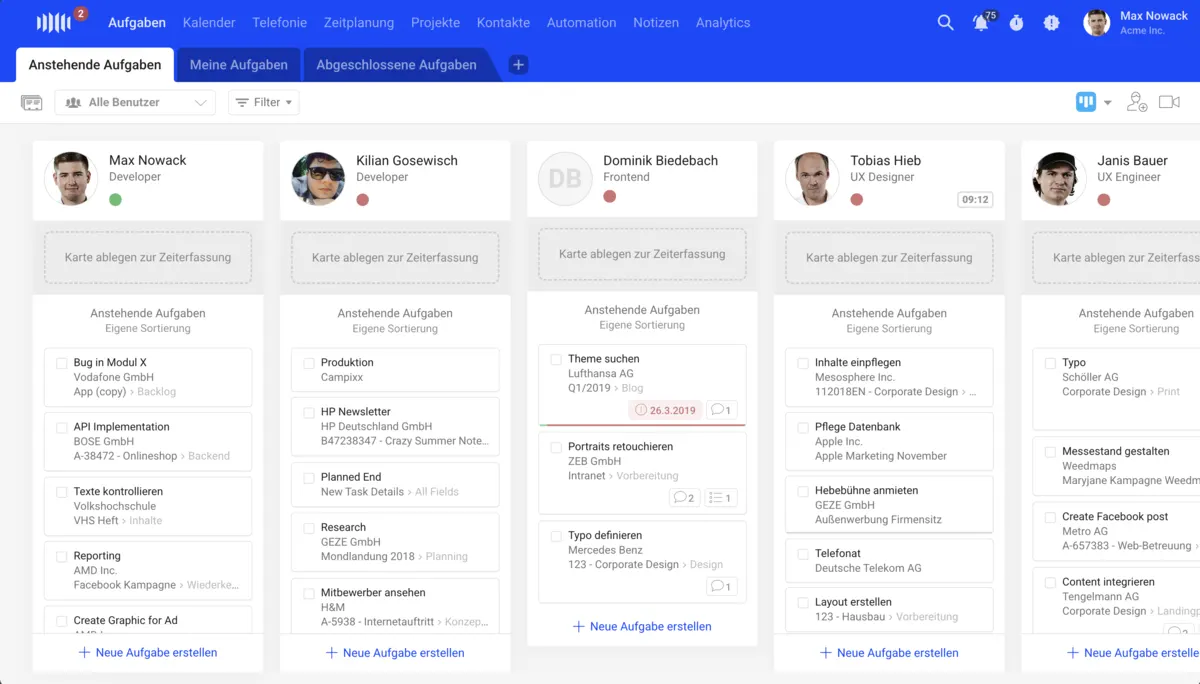
TeamGrid set out to make project planning feel direct and collaborative, with drag-and-drop planning, realtime collaboration between everyone in a project, and workflow automation for the approval processes larger agencies run.

I led development from the first architecture to years of daily use, hired and ran the engineering team, and shaped the interaction model with the product. Along the way the stack was modernised in production, and the infrastructure moved onto our own Kubernetes cluster without customers noticing.

The TeamGrid planning board

CatchFlights

App, backend and flight data service

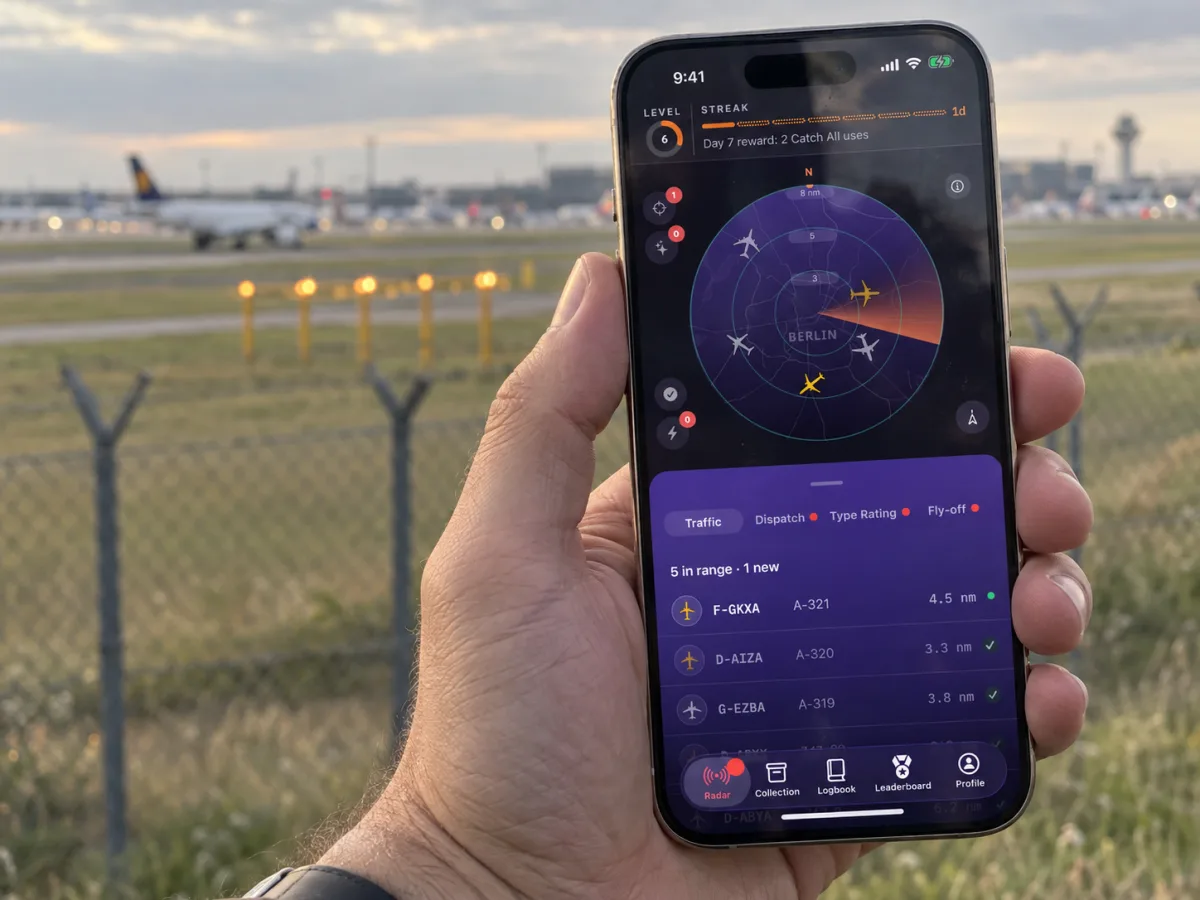
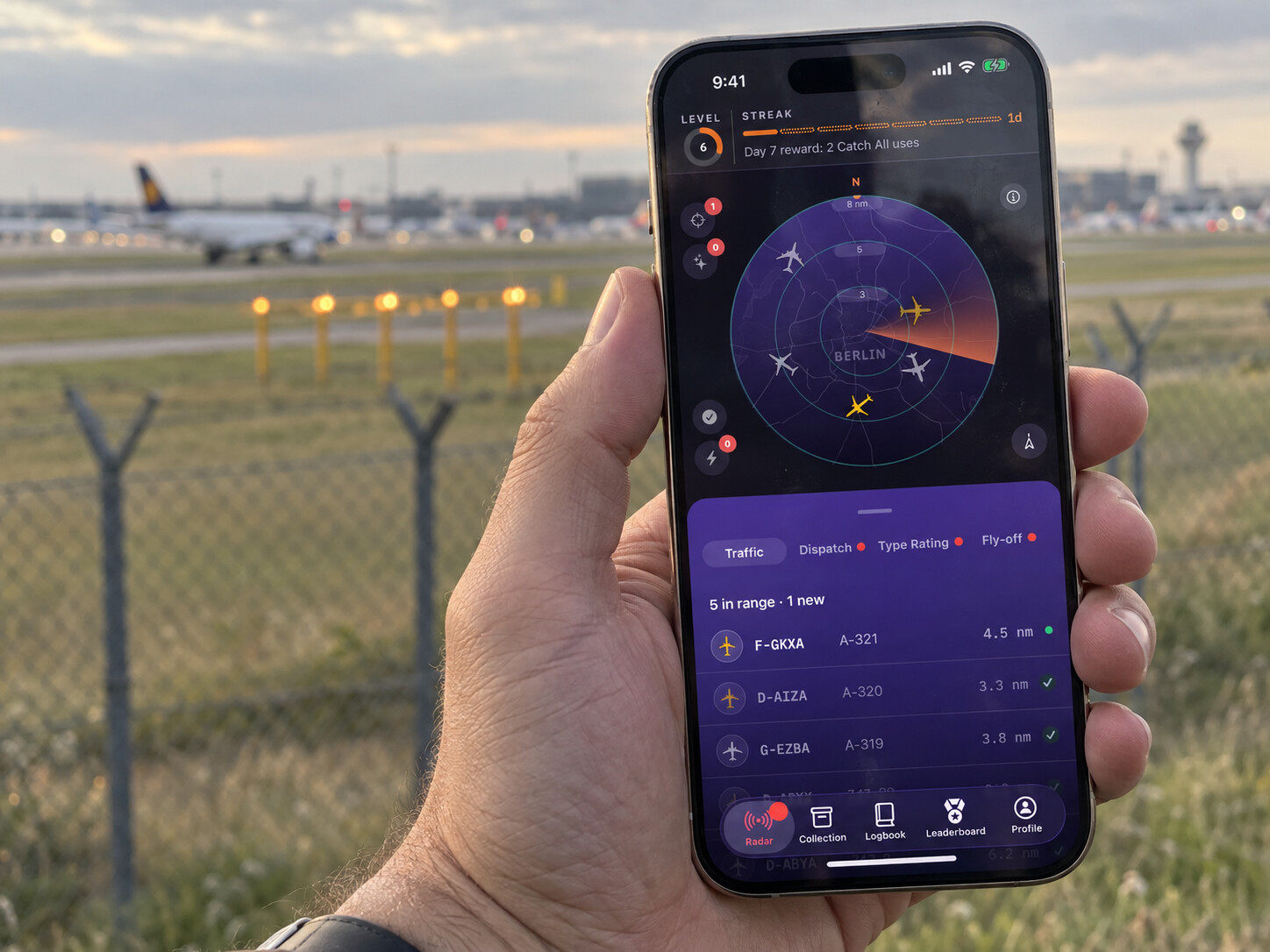
CatchFlights turns the aircraft actually flying over you into something you can collect. A radar shows live traffic around your location, and catching a contact adds its type, registration, airline, airport and route to a personal collection, with levels, streaks and curated sets on top.

CatchFlights is built end to end, from the mobile app and the backend that decides what an aircraft is worth to a self-hosted flight data service that turns raw ADS-B traces into aircraft facts and routes.

CatchFlights open on a phone at the edge of an airport

ThatSat

App and catalogue service

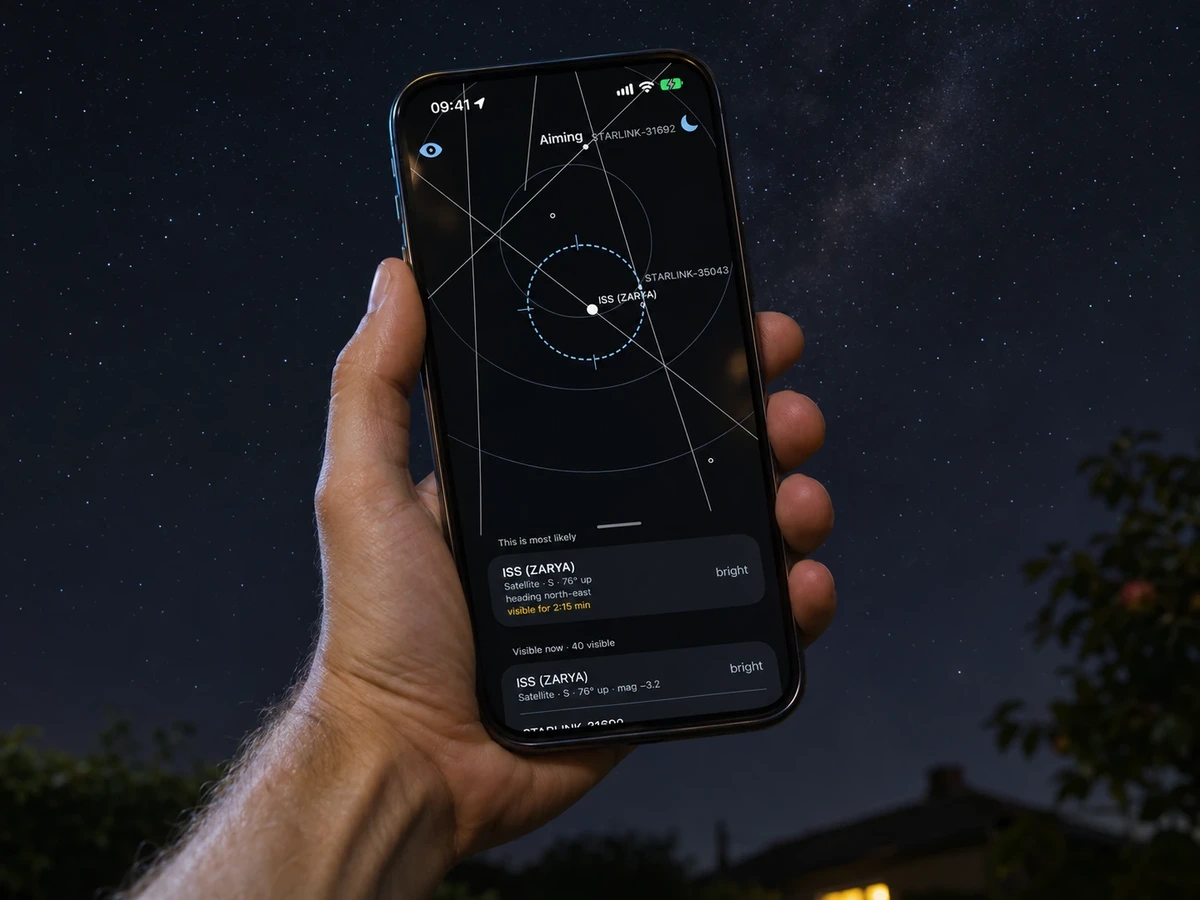
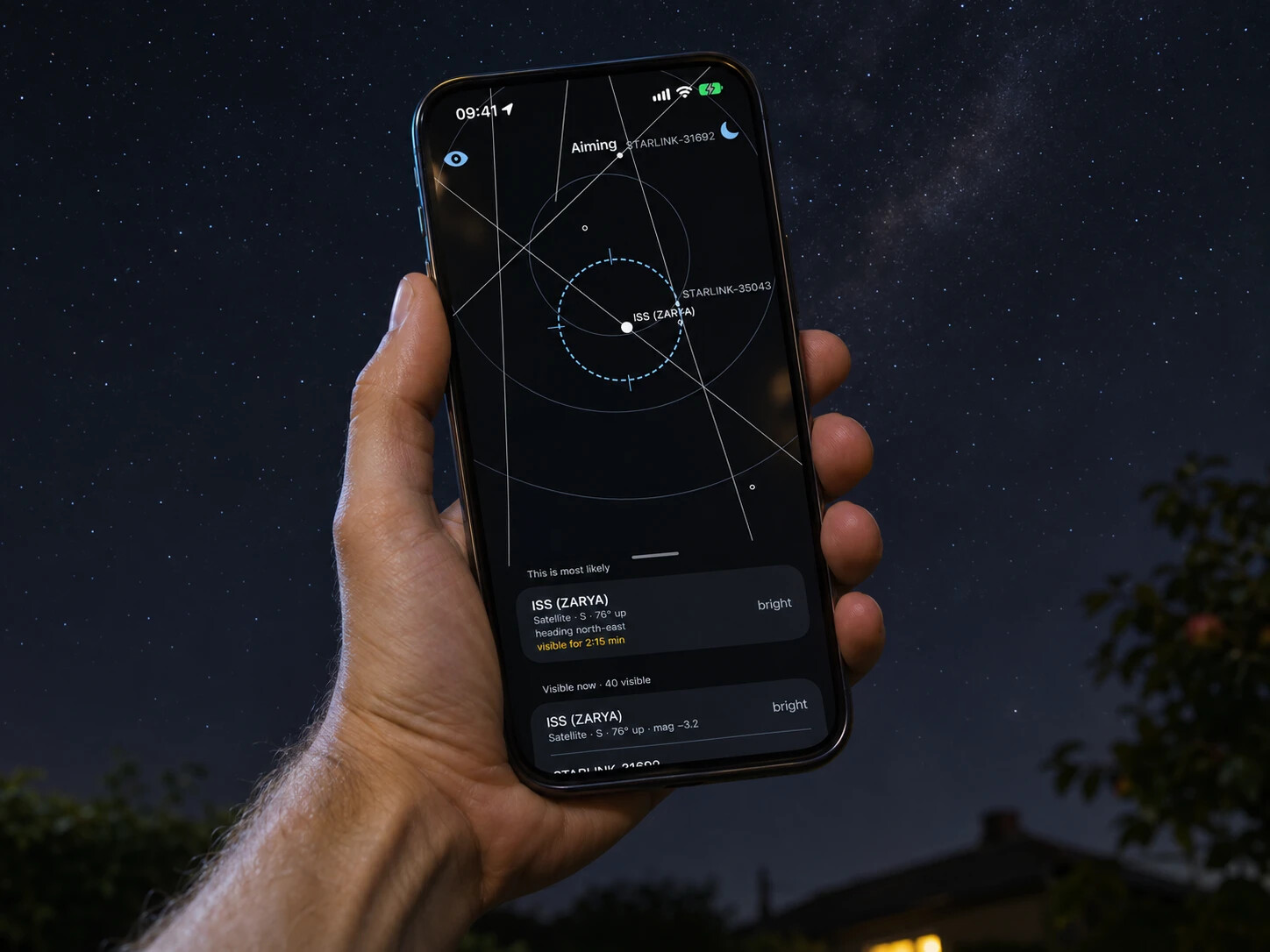
A light moves across the night sky. You tap where it is, swipe the way it moves, and ThatSat names the satellite you are looking at, best match first. Hold the phone up towards a light and the aiming view names whatever is in the crosshair. Lay the phone flat and a sky dome shows everything visible to the naked eye right now. Before dark, the app shows tonight's brightest passes. Rocket bodies and large debris shine as well, so they are in the catalogue too.

Every position is computed on the phone from a catalogue of all tracked objects in orbit. A small service of my own builds that catalogue from public sources and keeps the app's copy current. The location stays on the device, the app works offline, and a red mode keeps your eyes adapted to the dark.

ThatSat held up against the night sky over a garden

Rainly

Built end to end

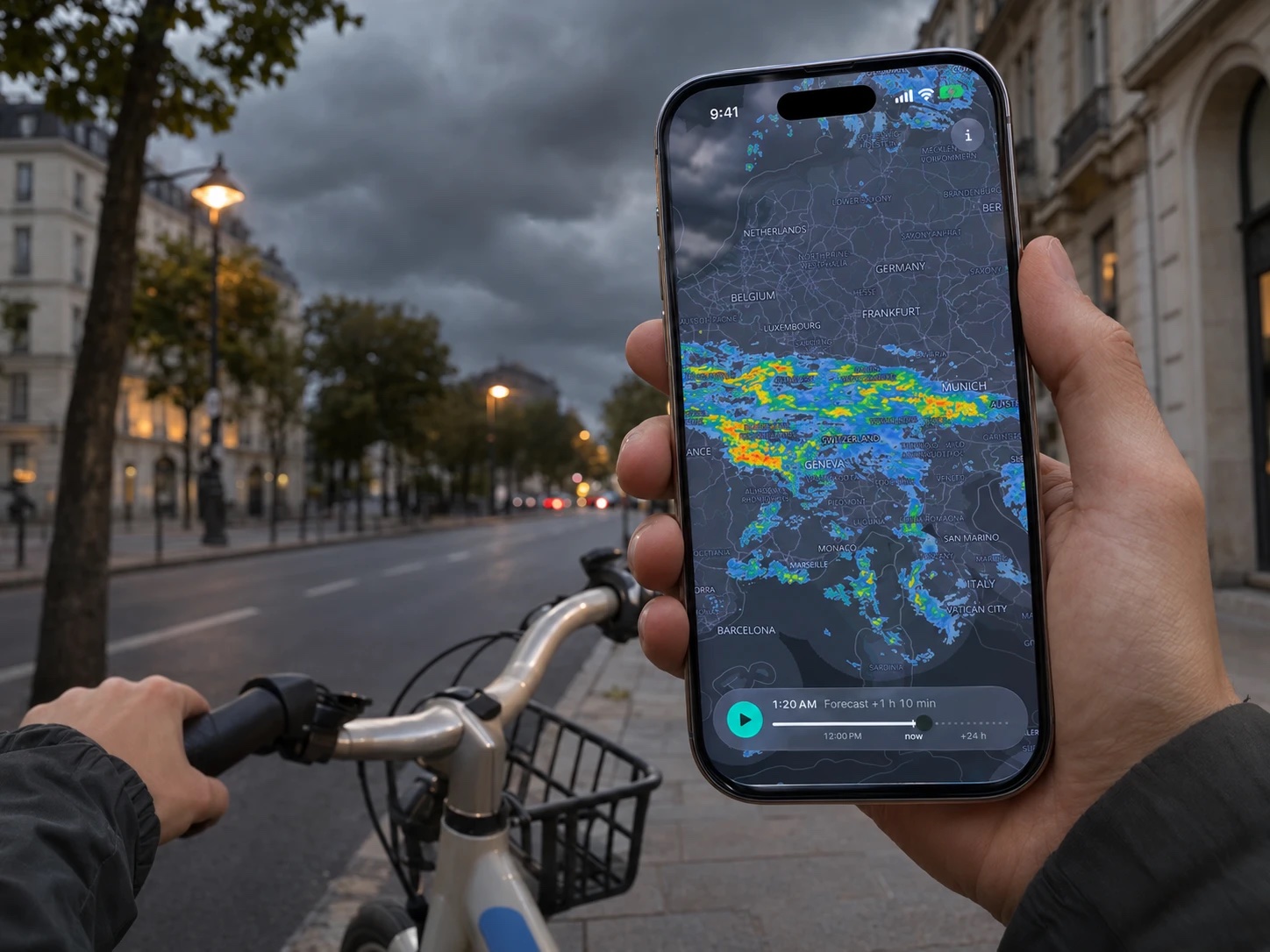
Rainly is a rain radar on a full-screen map. Radar stations deliver a picture every few minutes. Rainly computes how the rain moves between two of them and animates it at sixty frames per second, so showers travel across the map along their actual path. A timeline at the bottom runs from the past hours into a three-hour forecast of its own and then two days of a weather model, and always says which of the three you are looking at.

A service of my own collects the national radar networks of Europe, the United States, Canada, Japan, South Korea and the French overseas territories and merges them into one map. A worker removes artefacts, measures the motion and computes the forecast. The map runs in the browser, and the apps for iPhone and Android share one native radar view. No account, no location, no ads.

Rainly on an iPhone held next to a bike on a city street under rain clouds

Outloud

Built end to end

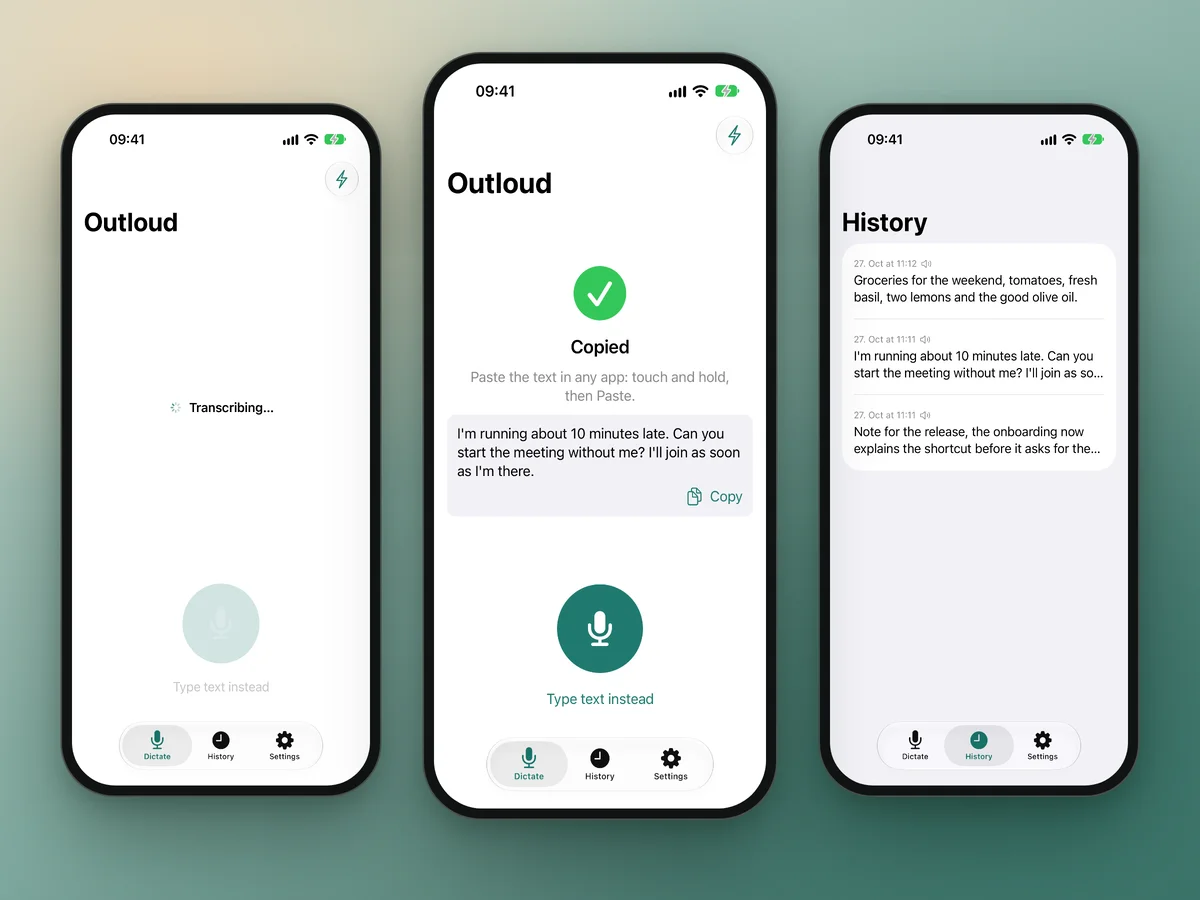
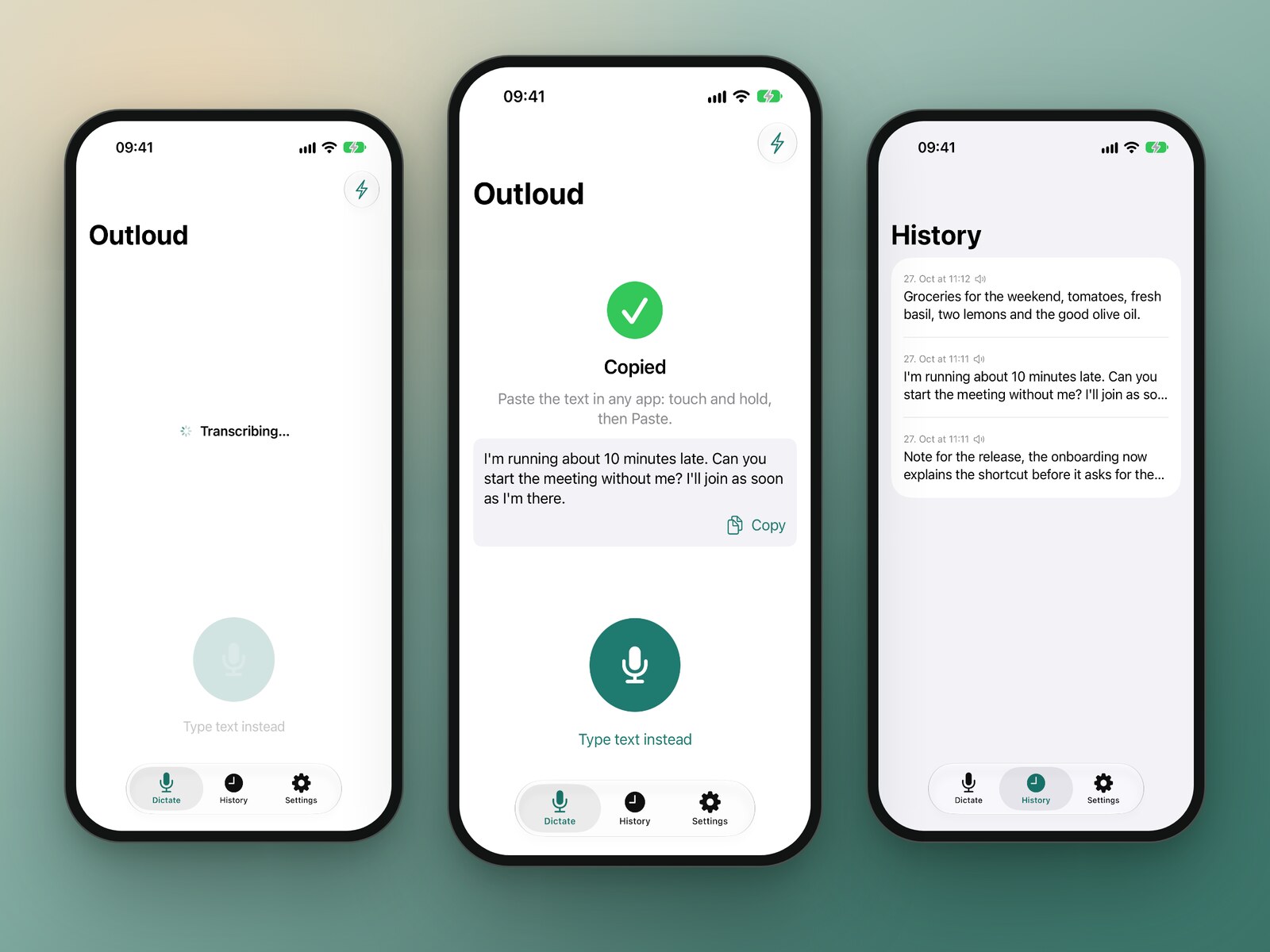
You speak, and Outloud hands you finished text where you are typing. On the Mac you hold two keys and let go. On the iPhone a shortcut starts and stops it from any app. Filler words are gone, punctuation and paragraphs are in place.

Speech recognition runs on the device with an open model, and Apple's on-device model tidies the text without rewriting it. There is no account, no server and no tracking. The whole app is open source.

Outloud on three iPhones, transcribing, with the copied text, and the history

SimpleCountdown

Built end to end

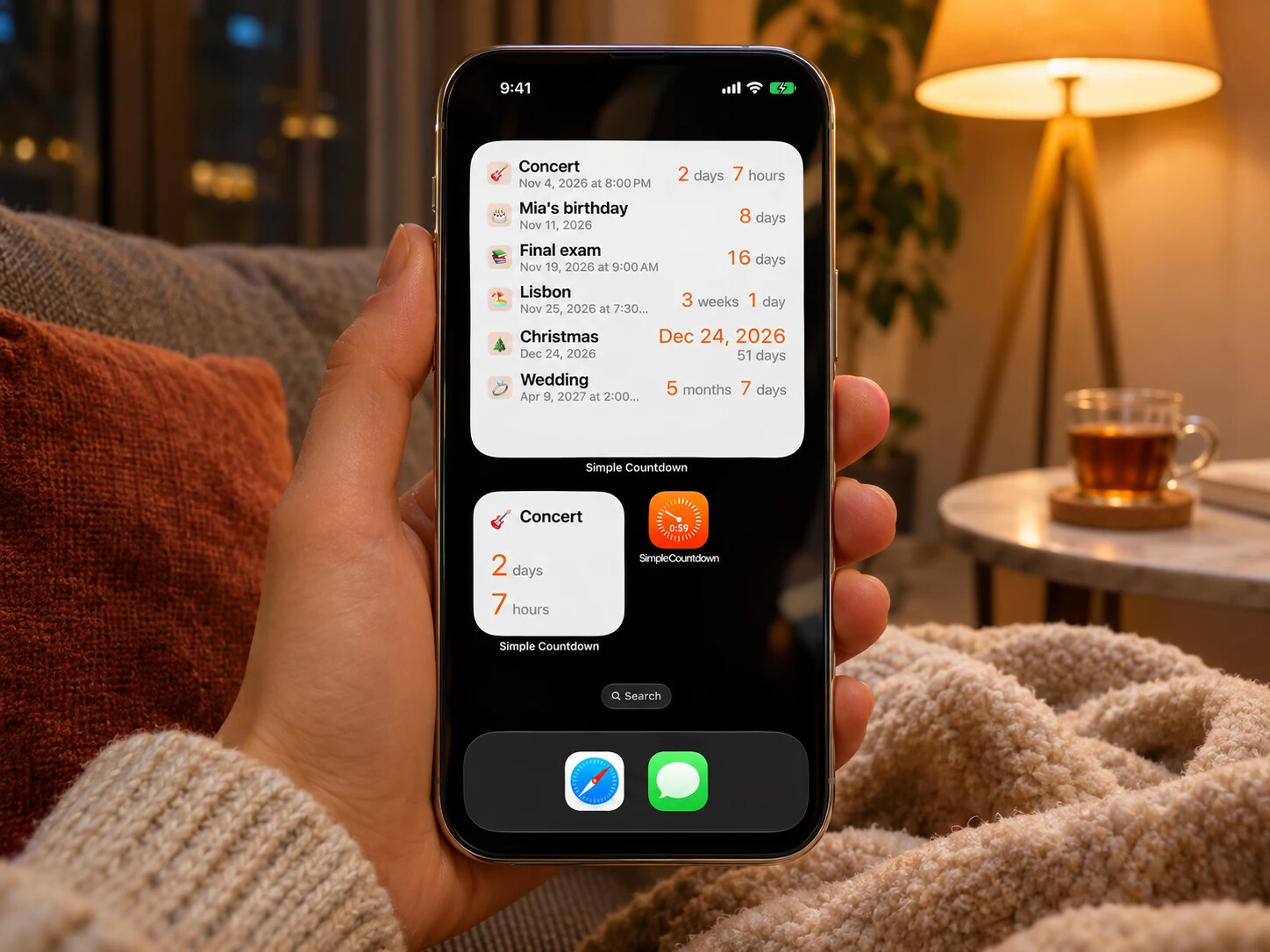
You give a countdown a name, an emoji and a date, and the app counts down to it. A trip, a birthday, a wedding, an exam. You pick how the remaining time reads, as the date itself or any mix of months, weeks, days, hours and minutes, like 3 weeks 1 day.

Most of the time the countdown lives outside the app. Widgets from the small square up to the full width of the screen, and on the Lock Screen, move on their own at midnight, on the hour or every minute. Reminders go off a week, a day or an hour before, for the countdowns you choose. The countdowns sync between iPhone and iPad through your own iCloud, with no account and no tracking.

SimpleCountdown widgets on a phone on the sofa in the evening

SimpleSampler

Built end to end

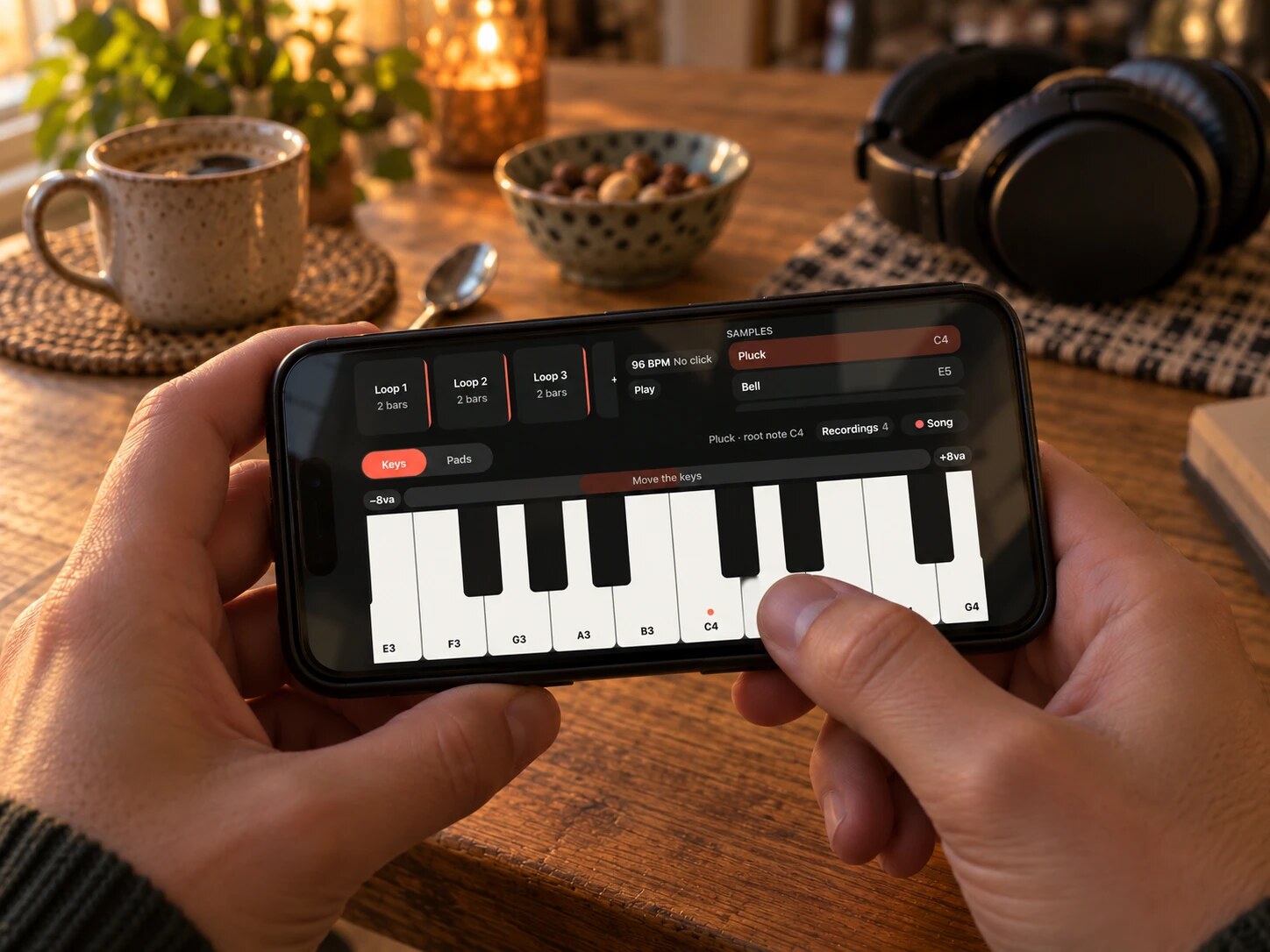
You record a clap, a note or your voice, the app works out which note it is, and hands you a keyboard that plays it across the octaves. Eight pads hold samples for beats, and a loop station layers what you play into a song you can record and share.

The point is the short path from a sound to something you can play. A take starts with the first sound, the pitch is detected on the recording itself, and higher notes keep the length of the original. Everything stays on the device, with no account, no backend and no tracking.

SimpleSampler played on a phone held sideways

Workout Timer

Built end to end

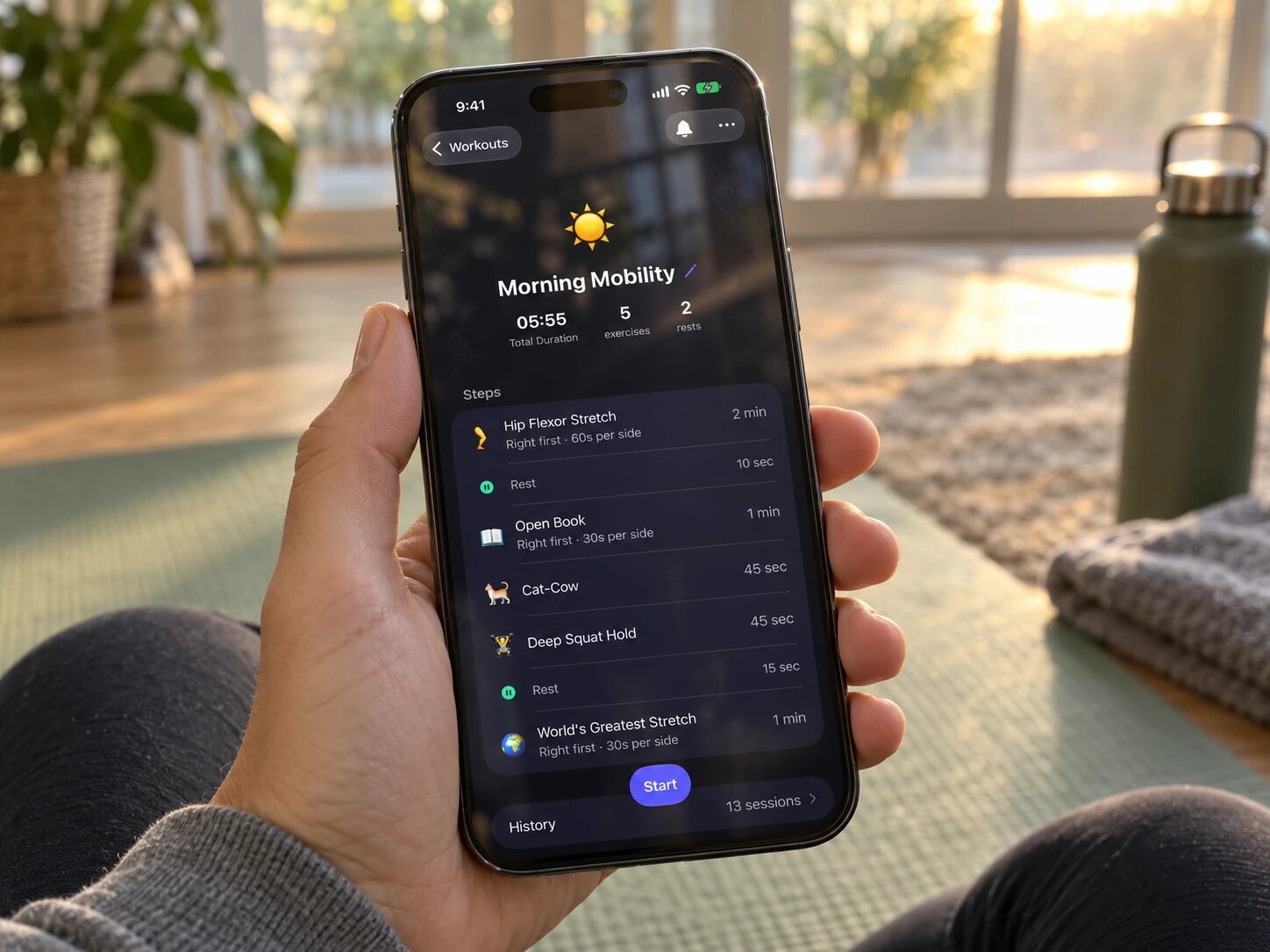
You build a routine once from exercises and rests, press start and put the phone down. The app announces every exercise, every rest and every side change. Workout Timer is made for routines that are all about time, like mobility, stretching and rehab.

A workout keeps running with the phone locked, shows up on the Lock Screen, and a finished one goes to Apple Health. Everything stays on the device.

A Workout Timer routine on a phone over a yoga mat

Spritatlas

Built end to end

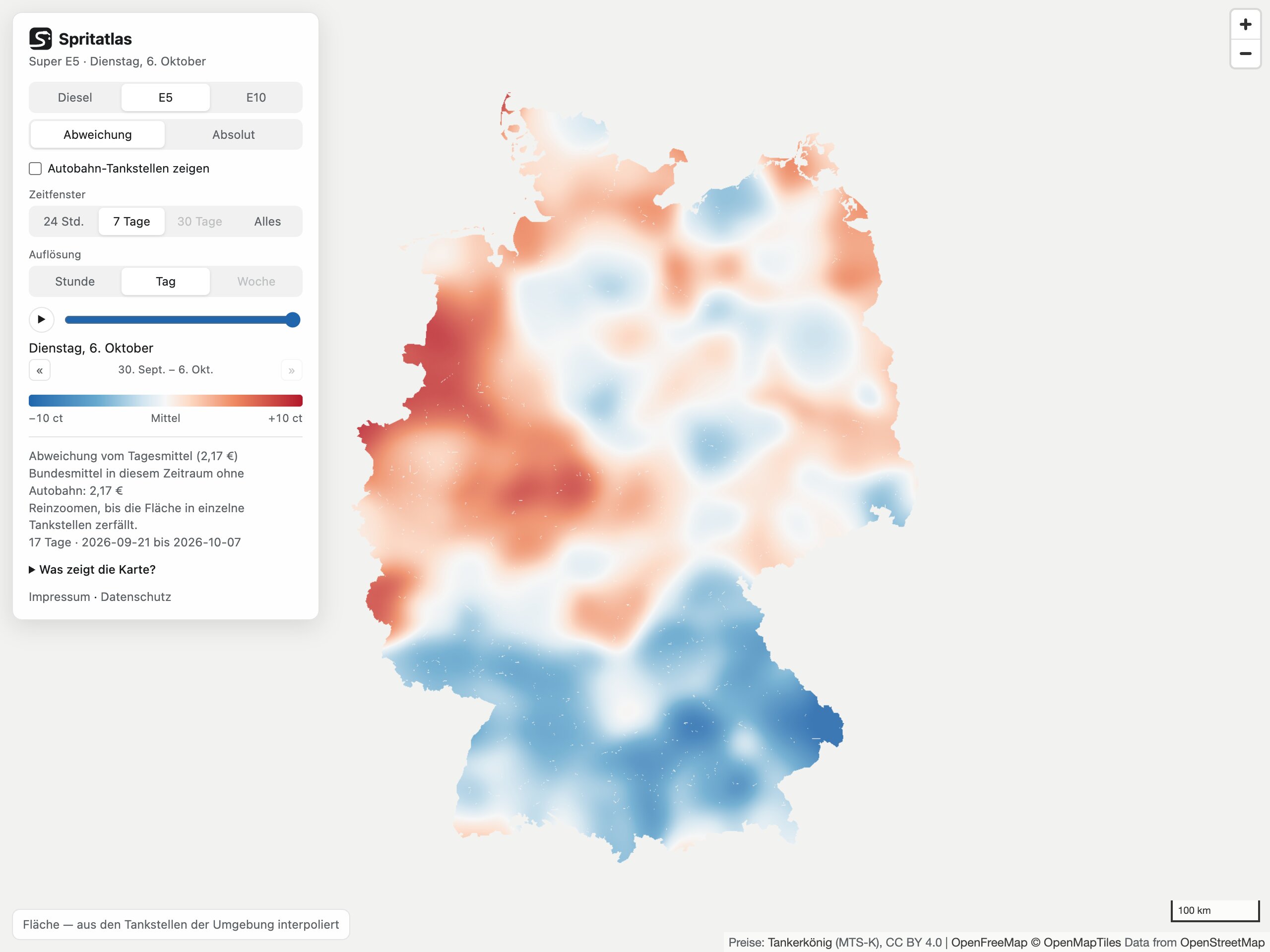
Spritatlas shows the whole landscape of fuel prices, where fuel is consistently expensive and where it is cheap across the country, city against countryside, and how prices move over the day and the week.

The colour is interpolated from the stations around each point and drawn fresh at every zoom level. Zoom in far enough and the surface breaks up into the stations that are actually there, so the map never claims more than the data holds.

Spritatlas showing fuel prices across Germany

DevTalks

Built end to end

You open DevTalks and join whatever is running, at the same second as everyone else on that channel.

There is no backend and no scheduler. What is on air is a pure function of an ordered list of talks, a fixed epoch and the current time, so the site stays static and every browser works out the same position on its own.

A DevTalks channel with a talk on air

Supergalactic

Engine and game

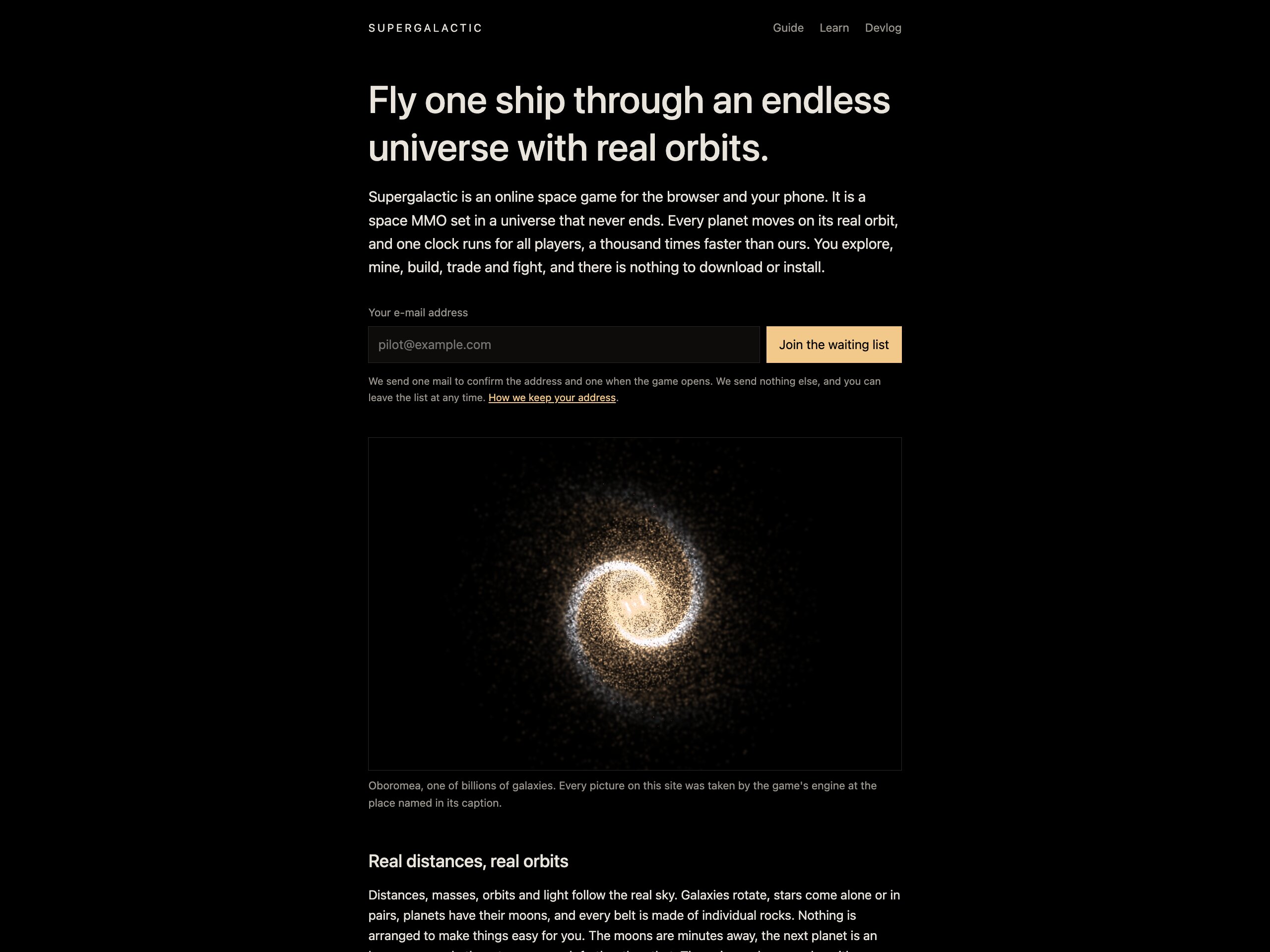
Every planet moves on its real orbit, and one clock runs for all players, a thousand times faster than ours. You set a course, put the phone away, and your ship keeps flying until you come back.

Underneath is an engine written for the game, with one universe at real distances, from clusters of galaxies down to the rocks of an asteroid belt, explored in one continuous zoom. Everything is in the same place for every pilot.

The Supergalactic landing page

LUMODO

Software and realtime control

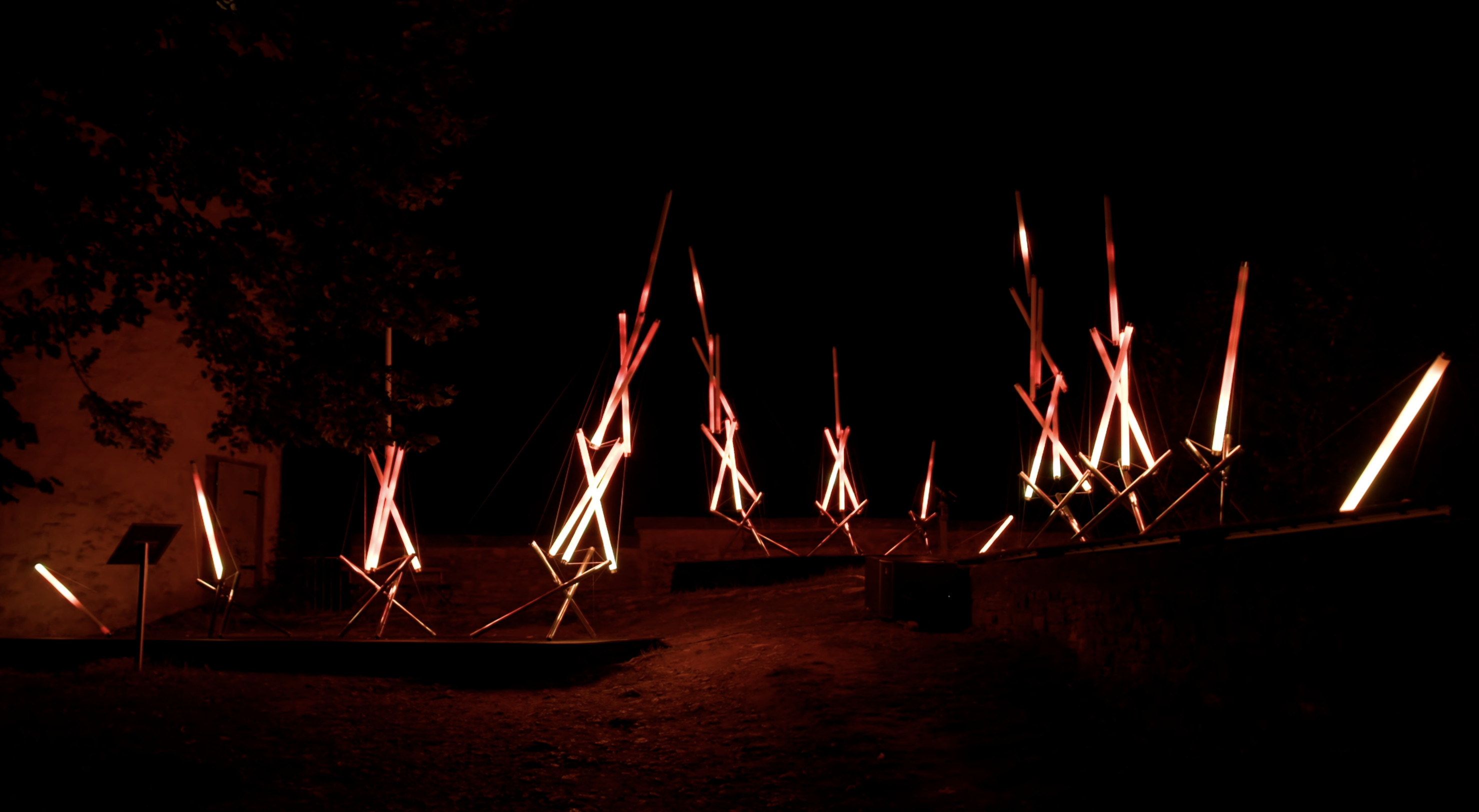
LUMODO came out of a collaboration between industrial design, engineering and software. Programmable lights with addressable LEDs, realtime control, and a small web app for direct interaction.

A central technical part was mapping 2D video content onto the lights in 3D space. A large installation at Plesse Castle brought it to a public audience.

The LUMODO installation at Plesse Castle

Want to see one of these up close?

I am happy to walk through any of them in a call, including the decisions that did not work out.

Book a call